
A fence is one of the first things people notice about a property, and in Adelaide’s hot, dry summers it takes a lot of punishment. Fading, peeling and grey weathered timber can make a whole yard look tired. Knowing how to paint a fence properly helps protect it and lift the look of your garden. If you would rather hand the job over, see our fence painting services in Adelaide.
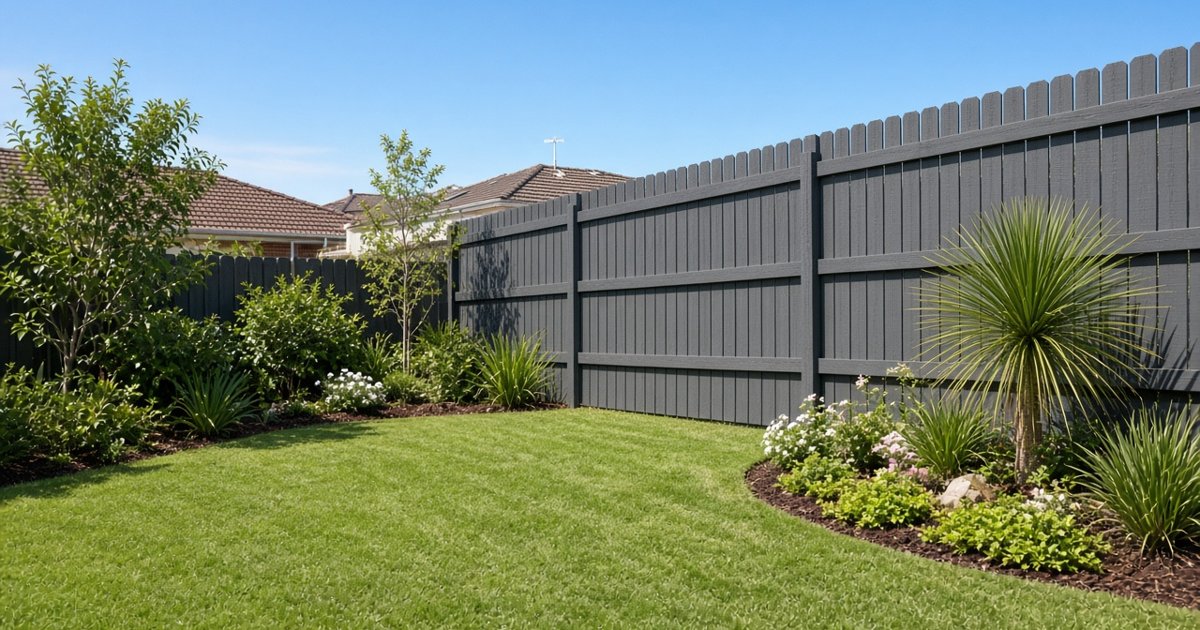
This guide explains how different fence materials are usually prepared and painted, what to think about with colours and neighbours, and when to call in a painter. To talk about your fence, contact us and request a free quote.
Why Paint a Fence?
Paint does more than add colour. A good coating helps protect timber from sun and moisture, slows weathering and can make an older steel fence look fresh again. It also ties the fence in with the house, decking and garden, which makes outdoor areas feel finished.
Common reasons people paint their fence:
- Timber has turned grey, split or rough
- Old paint is peeling or chalky
- The colour no longer suits the house
- The property is being prepared for sale or rent
Timber Fences
Timber paling, picket and lattice fences are common across Adelaide suburbs. Timber moves with heat and moisture, so preparation and the right product matter.
Preparing timber
- Clean. Remove dirt, mould and cobwebs, then let the timber dry.
- Repair. Replace broken palings, fix loose rails and punch in any raised nails.
- Sand or scrape. Remove loose or flaking paint and smooth rough areas.
- Prime. Bare or new timber usually needs a suitable primer. New treated pine can need time to dry out before it takes paint well. Follow the paint maker’s guidance for the primer and paint you use, and ask your painter to check the timber first.
Paint or stain?
Paint gives a solid colour and good protection. Stain lets the grain show through and is often easier to refresh later. Our post on deck painting vs staining explains the same choice for decks, and much of it applies to fences too.
COLORBOND® Steel and Other Steel Fences
Steel fences are popular because they are low maintenance, but the factory finish can fade over time, especially on sunny sides. Repainting can bring them back to life.
Steel fences need careful prep:
- Wash off dirt and chalky residue.
- On newer panels, lightly roughen the surface with a kitchen scourer pad rather than steel wool. Weathered panels usually need a thorough wash first.
- Treat any rust spots and prime bare metal.
- Use an exterior paint system the paint supplier recommends for prepainted steel, usually a water-based acrylic.
BlueScope, which makes COLORBOND® steel, publishes a technical bulletin on overpainting. It notes that painting over the factory finish voids BlueScope’s warranties and that the new paint may weather differently, so read it before you start.
Masonry and Rendered Fences
Brick, block and rendered fences and front walls can be painted just like the house. Look out for salt damp at the base, cracks and loose render. These need attention before paint goes on, or the coating may bubble and peel. If your house walls are brick too, the same preparation applies there. Not sure what your fence needs? Contact us to talk about it and request a free quote.
Choosing a Fence Colour
A few things to think about:
- Match the house. Pick up a colour from the roof, trim or gutters so the fence feels connected.
- Let the garden stand out. Dark charcoal, deep green and black fences tend to sit back visually, which lets plants stand out. These are some of the most popular fence painting ideas around Adelaide.
- Think about heat. Very dark colours on sunny sides absorb more heat. Mid tones can be a good balance.
- Remember both sides. The other side of a shared fence faces your neighbour.
Shared Fences and Neighbours
Many Adelaide fences are shared boundaries. Before you paint, talk to your neighbour, especially if you plan to change the colour or paint their side. Agreeing on the colour and timing upfront avoids disputes. If you only paint your side, ask the painter to take care to avoid drips and overspray on the other side.
When to Paint
Mild, dry weather is best. Avoid painting in extreme heat or direct midday sun, when paint can dry too fast and leave lap marks, and avoid days when rain or heavy dew is forecast. Spring and autumn are often good times in Adelaide. Our post on how long exterior paint lasts in South Australia explains how sun and weather affect outdoor coatings. Our home painting checklist covers what to inspect around the house each season.
Signs Your Fence Needs Painting
It is easy to stop noticing a fence once it has been there for years. Walk along it and look for these signs:
- Paint that flakes off when you scratch it with a fingernail
- Grey, dry timber that feels rough or splintery
- Dark patches of mould or mildew in shady spots
- Faded or chalky colour on steel panels, especially on the sunny side
- Rust spots around screws, rails and the bottom of panels
- Cracks or loose render on masonry walls
Catching these early usually means less preparation and a better result. If the timber is soft, crumbly or badly split, some palings or posts may need replacing before painting is worthwhile.
Looking After a Painted Fence
Once your fence is painted, a little care helps it last. Hose off dust and cobwebs now and then, keep sprinklers from soaking the same section every day and trim back plants that rub against the surface. Touch up small chips before moisture gets in. Keep a little leftover paint, labelled with the colour name, for these small jobs.
DIY or Hire a Painter?
A short, sound fence can be a weekend project. Long runs, high fences, steel fences with rust or fences with lots of lattice and pickets take much longer than people expect. A professional painter brings sprayers or the right brushes, protects your gardens and paths, and works through the prep properly.
Fence painting cost depends on the length, height, material and condition of the fence, so the easiest way to find out is to ask for a quote.
Ready to Refresh Your Fence?
A well painted fence makes a big difference to your yard and street appeal. Call us on 0415 605 744 or contact us to request a free quote for your fence.
Frequently Asked Questions
Can you paint a COLORBOND® steel fence?
Yes. BlueScope says COLORBOND® steel can be overpainted with a suitable system, usually water-based acrylic, after the right cleaning. Painting voids BlueScope’s warranties and the new finish may weather differently, so check its overpainting guidance first.
Is it better to paint or stain a timber fence?
Paint gives a solid colour and strong protection, while stain shows the timber grain and is often easier to refresh. The best choice depends on the look you want and the condition of the timber.
Do I need my neighbour’s permission to paint a shared fence?
It is best to talk to your neighbour before painting a shared fence, especially if you plan to change the colour or paint their side. Agreeing early avoids disputes.
When is the best time to paint a fence in Adelaide?
Mild, dry weather is ideal. Avoid extreme heat, direct midday sun and days when rain or heavy dew is forecast. Spring and autumn often work well.
Can new treated pine be painted straight away?
New treated pine can need time to dry out before painting. Follow the paint maker’s guidance for the product, and ask your painter to check the timber.
How do I get a quote for fence painting?
Contact us with the length and type of your fence and a few photos, and we will arrange a time to talk about the job and give you a free quote.