
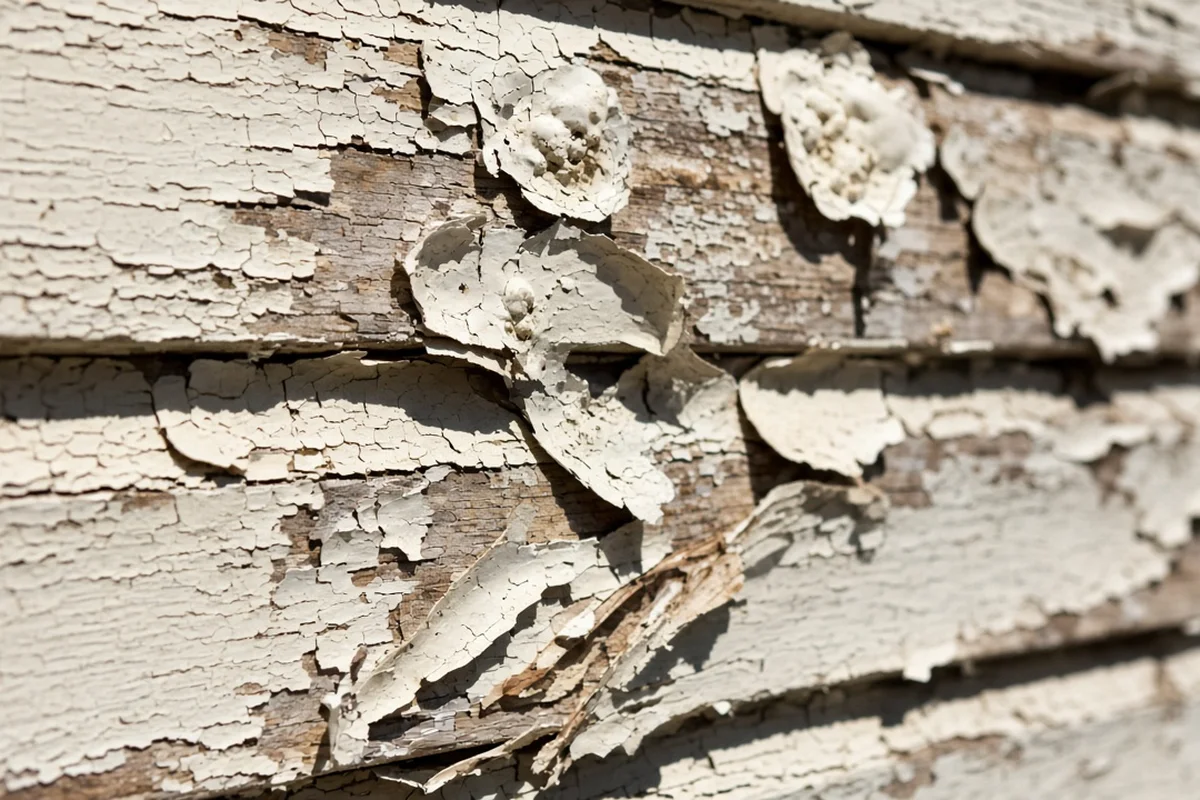
Few things make a home look tired faster than paint that is flaking off the walls. Maybe you have noticed bubbles on the bathroom ceiling, fine cracks spreading across the eaves, or long strips of paint lifting off the weatherboards on the western side of the house. It is frustrating, especially if the last paint job does not feel that long ago.
The good news is that peeling, bubbling and cracking paint almost always has a cause you can find. Once the cause is understood, the surface can be repaired properly so the new paint holds. This guide explains what is usually going on, both inside and outside Adelaide homes, and what a proper fix involves.
What is the difference between peeling, bubbling and cracking?
They look different and often point to different problems.
- Peeling or flaking is when paint lifts away from the surface in sheets or chips. It usually means the paint has lost its grip.
- Bubbling or blistering is when small pockets form under the paint. These are often caused by moisture or heat trapped underneath.
- Cracking shows up as fine lines or a pattern like dried mud. It happens when paint becomes brittle and can no longer move with the surface.
Why does exterior paint peel in Adelaide?
Outside, the usual suspects are sun, heat and moisture. Adelaide gets intense UV and big swings between hot days and cool nights. Over time that breaks down the paint film, and surfaces that face north or west tend to show it first. Our article on how long exterior paint lasts in South Australia goes into more detail on how the climate affects paint.
Moisture is the other big one. Water can get behind paint through gaps around windows, cracked render, leaking gutters, garden sprinklers hitting the walls or timber that has rotted. When that moisture tries to escape, it pushes the paint off.
Poor preparation is the third common cause. If the last coat went onto a dirty, chalky or glossy surface without proper cleaning, sanding or priming, it may never have bonded well in the first place.
Why is the paint bubbling inside my house?
Indoors, bubbling is most often seen in bathrooms, laundries and kitchens, where steam and humidity are part of daily life. If the room does not have good ventilation, moisture settles on walls and ceilings and works its way behind the paint.
Other causes include a slow leak in the wall or roof, painting over a surface that was not completely dry, or using a paint not designed for wet areas. Heat can play a part too. Paint applied on a very hot day, or in direct sun through a window, can skin over before the solvent underneath has escaped.
What causes paint to crack?
Cracking usually happens when paint is applied too thickly, when a hard paint is put over a softer one, or when the paint has simply aged and become brittle. On older homes, layers of oil based paint underneath newer coats can crack as the house moves with the seasons. Cracks in plaster or render can also show through the paint and are a sign that the surface itself needs repair. Our drywall and plaster repair page explains how damaged surfaces are fixed before painting.
Is old peeling paint a safety concern?
It can be in older homes. Paint on houses built before the 1970s may contain lead, and scraping or sanding it without care can create harmful dust. If your home is older and the paint is flaking, read our guide to lead paint in older Adelaide homes before you start scraping.
How is peeling paint fixed properly?
Simply painting over the problem will not work. The new coat will lift along with the old one. A proper repair usually follows these steps.
- Check for leaks, damaged gutters, poor ventilation or rotten timber, and fix them first.
- Remove all loose, flaking and bubbled paint until only firmly stuck paint remains.
- Smooth the edges of the remaining paint so the repair does not show through the new coat.
- Fill cracks, patch plaster or render, and replace damaged timber.
- Wash off dust, chalk, mould and grease so the primer can grip.
- Seal bare and patched areas with a primer suited to the surface.
- Apply the topcoats in suitable weather, not in the heat of the day or when rain is on the way.
Can I fix it myself?
Small patches, like a little flaking on a window sill, can be a reasonable weekend job if you take your time with the prep. Larger areas, high walls, eaves, or anything that might involve lead paint or rotten timber are usually better handled by a painter who can work safely and spot the underlying cause.
If the problem is widespread on the outside of the house, it may be time for a full repaint rather than patching. Our exterior painting services and residential house painting services explain what that involves.
Common questions
Why is the paint on my exterior walls peeling?
The most common causes are moisture getting behind the paint, poor preparation before the last coat, painting over a dusty or chalky surface, and strong sun breaking the paint down over time. Older oil based paint covered with a water based coat without the right primer can also lift.
Why is the paint bubbling in my bathroom?
Bubbles in bathrooms and laundries usually point to moisture. Steam that cannot escape, a leak behind the wall, or paint applied before the surface was fully dry can all cause blisters.
Can I just paint over peeling paint?
No. New paint will only be as strong as the layer underneath it. Loose and flaking paint needs to be scraped back, the edges sanded smooth, the cause fixed and the bare areas primed before repainting.
Need help with peeling or bubbling paint?
If paint is lifting, bubbling or cracking anywhere in your home, we can take a look, help work out why and explain how it can be repaired. Contact us for a free estimate, or request a quote and send a few photos of the problem areas.