
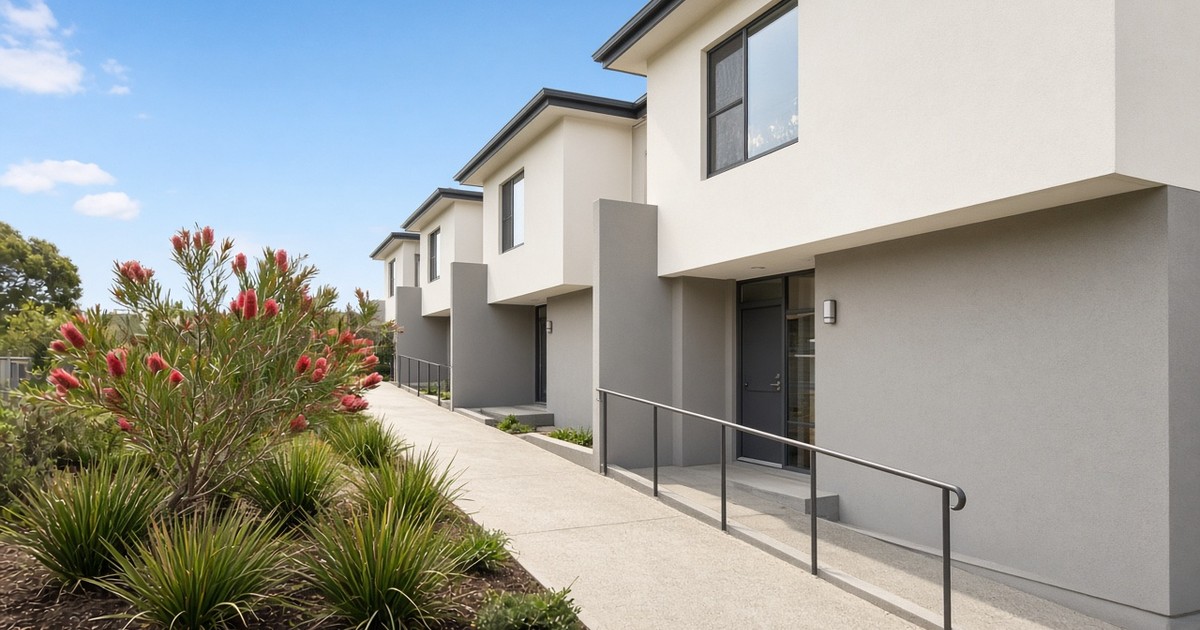
Body corporates and strata managers often ask how often a complex should be painted. There is no single answer that fits every building in Adelaide. Sun, the type of surface, how the last job was prepared, and how busy the common areas are all change the timing. This guide explains what to look for, how common areas differ from exteriors, and how to plan a repaint around the people who live there.
There Is No Single Timetable
Paint does not fail on a fixed date. One wall can still look sound while another, on a hotter or more exposed face of the same building, has already faded or chalked. A useful approach is to inspect the surfaces on a regular maintenance cycle, then paint when the coating starts to lose protection or the common areas look worn, rather than waiting for widespread peeling.
If you want a sense of how long an exterior coating can last in this climate, our guide to how long exterior paint lasts in South Australia covers the main conditions that shorten or stretch that life. A painter who inspects your complex can then relate that to the walls, eaves, walkways and shared spaces in front of you.
What Affects How Long a Paint Job Lasts
Adelaide’s summers are hot and the sun is strong. North and west facing walls take more of that heat than shaded or south facing sides, so they often show fading, chalking or dryness first. Coastal complexes also deal with salt in the air, which can be hard on coatings and metal fittings.
The surface matters as well. Render, brick, timber and previously painted metal all weather in different ways. A well prepared surface, with sound primer and the right product for the substrate, generally lasts longer than a rushed coat over chalky or flaking paint. Heavy foot traffic in hallways, stairwells and foyers wears interior common areas in a different way again, through scuffs, hand marks and knocks rather than sun.
If paint is already peeling, bubbling or cracking, the cause is worth finding before a new colour goes on. Our guide to why paint peels, bubbles or cracks explains common reasons, including moisture and poor preparation.
Signs a Strata Complex Is Due for a Repaint
You do not need a calendar date to decide. Walk the site in good light and look for:
- Fading or uneven colour, especially on walls that face the afternoon sun
- A chalky film that comes off on your hand
- Peeling, flaking or cracking in the coating
- Bare or thin patches on eaves, barge boards, posts or metal rails
- Staining around downpipes, window heads or damp corners
- Scuffed, marked or repeatedly touched-up walls in hallways and stairwells
- Previous repairs that no longer blend with the surrounding paint
A few isolated marks can often wait or be touched up. When wear is showing across several elevations or through the main common areas, it is usually time to plan a proper repaint rather than keep patching.
Common Areas, Exteriors and Individual Units
Strata painting usually focuses on common property. That often includes shared hallways, foyers, stairwells, letterbox walls, carports, walkways, and the exterior walls and trims of the building. These spaces are used every day, so the finish has to be durable as well as tidy.
The interior of an individual unit is often the lot owner’s responsibility, unless the strata rules say otherwise. It helps to be clear about that boundary in the scope of work, so residents know what is included and what they arrange themselves.
For shared interiors, low-odour or low-VOC products can make the job easier to live with while people still need to use the stairs and corridors. You can read more about eco-friendly strata painting if that is a priority for your complex.
Planning the Work Around Residents
A strata repaint is as much a coordination job as a painting job. Residents need to get to their front doors, park, and use the laundry or mail area while work is under way. A clear plan usually covers:
- Written notice of dates, working hours and which areas will be affected first
- Safe access through hallways, stairs and walkways, with wet paint clearly marked
- Where painters can park, mix paint and store materials without blocking residents
- How colours will be confirmed against any existing guidelines for the complex
- A stage-by-stage sequence, so the whole building is not out of use at once
It also helps to agree how residents should raise questions during the job, and to do a walk-through with the strata manager or committee before the painters leave.
How a Quote Helps You Decide Timing
An on-site quote is the practical way to move from “it looks a bit tired” to a plan. A painter can inspect the elevations, common areas and problem spots, note any preparation that is needed, and set out the scope in writing. That gives the body corporate a clear basis for a decision, including whether to proceed now or to monitor certain walls and budget for a later stage.
If you would like that kind of inspection, our strata painters in Adelaide can look at the complex with you and provide a written quote. There is no need to wait until the paint is failing across the whole site.
Frequently Asked Questions
How often should common areas be painted?
Common areas are marked by daily use, so they can need attention sooner than a quiet exterior wall. Inspect hallways, stairwells and foyers regularly, and plan a repaint when scuffs, marks or worn patches are widespread rather than occasional.
Who organises painting in a strata complex?
The body corporate or strata manager usually organises painting of common property, often with a committee decision and a written scope. Individual lot owners commonly arrange painting inside their own units, unless the strata rules say otherwise.
Does Adelaide weather shorten the life of exterior paint?
Strong sun and summer heat, especially on north and west facing walls, can fade and dry a coating sooner than a shaded elevation. Coastal salt can add further stress. An inspection is the reliable way to judge the walls on your site.
Talk to SA Quality Painting
If your complex is starting to look worn, or you want an on-site inspection before the next meeting, contact us to request a free quote. We can inspect the common areas and exteriors and help you plan the work around the people who live there.